Manual or automated: what picking automation actually changes for the operator
The warehouse automation debate is usually framed as robots versus jobs. On the floor, the real story is quieter and more interesting.
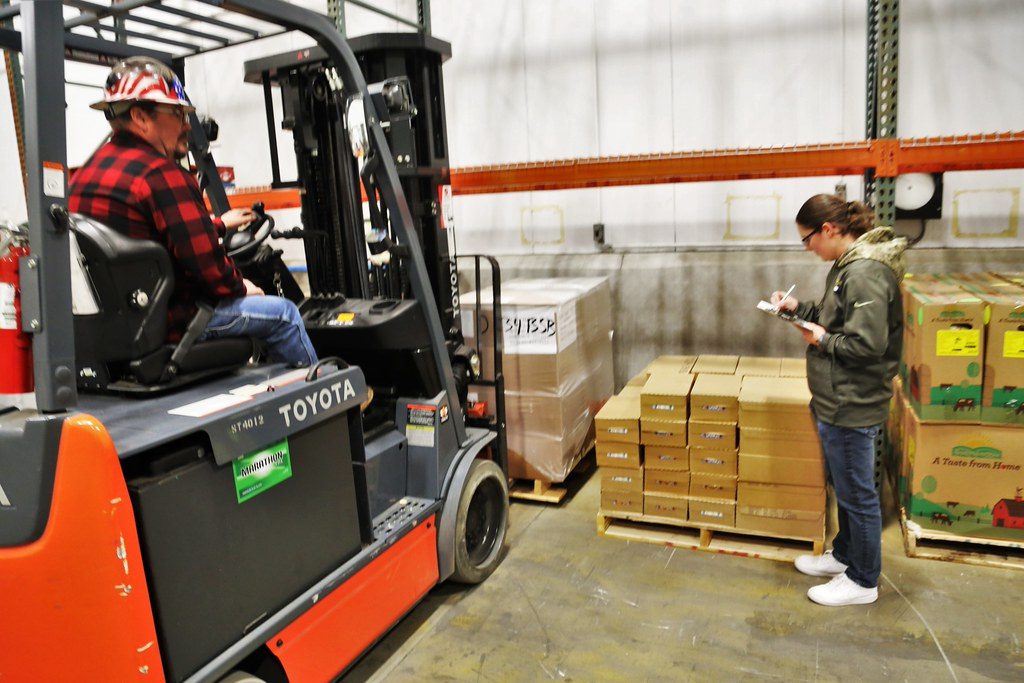
The way warehouse automation gets discussed, you would think the only two options were a person with a clipboard or a fully robotic fulfilment centre with no humans in sight. It is a tidy narrative, and it is almost entirely wrong. The most interesting shift happening on warehouse floors right now is not the arrival of the robot that replaces the picker. It is the arrival of the systems that quietly change what the picker’s job actually is.
You do not need robots to get results
Let us start with the assumption that automation means a heavy capital project and a floor full of autonomous machines. For a large number of operations, that assumption is what keeps them stuck, because it turns “should we automate?” into an all-or-nothing question with a frightening price tag attached.
The data on partial automation tells a different story. According to the MHI Annual Industry Report, assistive technologies such as pick-to-light and voice picking can lift picking productivity by around 23%. That gain does not require ripping out the racking and starting again. Pick-to-light guides the operator with a simple visual cue at the shelf. Voice picking talks them through the pick list and listens to their confirmations, keeping their hands and eyes free for the actual work. These are layers of assistance placed on top of an existing operation, not a replacement of it, and they deliver a double-digit productivity gain for a fraction of the disruption a full robotics deployment would cause.
The lesson is that the productivity ladder has many rungs, and the first few are within reach of almost any warehouse. You do not have to leap to the top to get real value.
Fewer errors, and why that matters more than it looks
Productivity is the headline, but accuracy may be the more important story. The same family of voice-picking systems has been shown to cut picking errors by up to around 47%. Nearly halving the error rate is the kind of improvement that reshapes the economics of an operation, because errors in a warehouse are rarely cheap and never contained.
A mispick is not one mistake. It is a wrong item shipped, a customer complaint, a return to process, a replacement to pick and send, and a dent in trust that costs far more than the item itself. When an assistive system removes half of those before they ever leave the building, it is not just making the picker faster. It is removing a whole downstream chain of rework, cost, and frustration that most operations have simply learned to live with.
There is a human dimension here too. Being the person who keeps making mistakes, through no real fault of your own, is demoralising. A system that helps you get it right is not only cheaper for the business, it is easier on the person doing the job.
Robots do not take the job. They change it.
This is the reframe that matters, and it is worth saying plainly. The anxious version of automation is “the robots are coming for the jobs.” The accurate version, at least for the kind of assistive automation most warehouses are actually adopting, is “the robots are changing the job.”
Think about what the older warehouse job physically demanded. Long distances walked, heavy loads carried, the same lifting and reaching motions repeated thousands of times a shift, and a running mental tally of what to pick and where. Assistive automation goes to work on exactly those burdens. It shortens the walking, it guides the finding, it reduces the load on memory and often on the body, and in return it asks the operator to do something a little different: to work fluently alongside a digital system, to trust it, to manage it, and to step in with judgment when the system reaches the edge of what it can handle.
There is a name floating around for this figure, and it is a useful one. The Operator 4.0. Not a person displaced by technology and not a person merely tending it, but a person whose role has shifted from pure physical throughput toward something more supervisory and more skilled. Less strain, more skill. That is a trade most operators would take, and it is a trade that makes the job more attractive to the next generation of workers, not less.
The real dividing line
Here is where the whole manual-versus-automated framing quietly falls apart. Once you accept that most warehouses are heading toward assisted work rather than unmanned work, the interesting question is no longer whether the picking is manual or robotic. It is whether the assistive layer actually holds up through a full shift.
A pick-to-light display that flickers, a voice headset that drops out, a device whose battery fades in the last two hours of the day, a handheld that has to be swapped mid-shift: these are the things that decide whether automation delivers the 23% or quietly gives it back. An assistive system is only as good as its worst moment, because the operator learns very quickly whether they can rely on it. If the technology is dependable from the first pick to the last, the operator leans into it and the gains are real. If it is flaky, they route around it, they slow down to double-check, and the productivity case evaporates while the invoice remains.
So the operational question that actually matters is not the one everyone argues about. It is not “manual or automated.” It is “does our assistive technology stay reliable for the entire time a human is depending on it?” That is a far less glamorous question than robots versus jobs, and it is the one that separates the warehouses getting real value from the ones getting a slide deck.
What we are really automating
Strip it all back and automation on the warehouse floor is not really about removing the human. For most operations it is about removing the parts of the human’s day that were never the point: the strain, the repetition, the avoidable error. What is left is a job that leans more on skill and judgment and less on the body.
Which leaves a question worth carrying back onto your own floor. If you watched one of your pickers work a full shift, would the technology in their hands be the thing making them better, or the thing they have quietly learned to work around?