Why young people don’t want to work in factories (and what can be done)
The generational gap in manufacturing is usually blamed on wages. The numbers hint at a problem that money alone will not fix.
Ask almost any plant manager in Italy what keeps them up at night and, sooner or later, the conversation lands on the same place. It is not the machines. It is the people who are supposed to run them, and specifically the ones under thirty who never show up to the interview, or who show up, get hired, and quietly disappear a few months later. The reflex explanation is always wages. Pay more and they will come. The data suggests the story is more complicated than that, and more fixable than a pure pay problem would ever be.
The number that should worry every plant
Start with retention, because it is where the pain is most concrete. Drawing on Excelsior and Unioncamere-ANPAL labour data, a large share of new production hires leave within the first year, on the order of 38%. Read that slowly. Nearly four in ten of the people a factory recruits, onboards, and begins to train are gone before they have completed a full cycle of seasons on the job.
That is not a recruiting problem. It is a bleeding wound in the middle of the operation. Every one of those departures represents money already spent on selection and training, a supervisor’s time, a half-finished learning curve, and a gap on the line that someone else has to cover. When turnover runs that high among the youngest cohort, the issue is almost never the offer letter. It is what happens after the person walks through the gate and sees the reality of the place.
A perception older than any of the workers
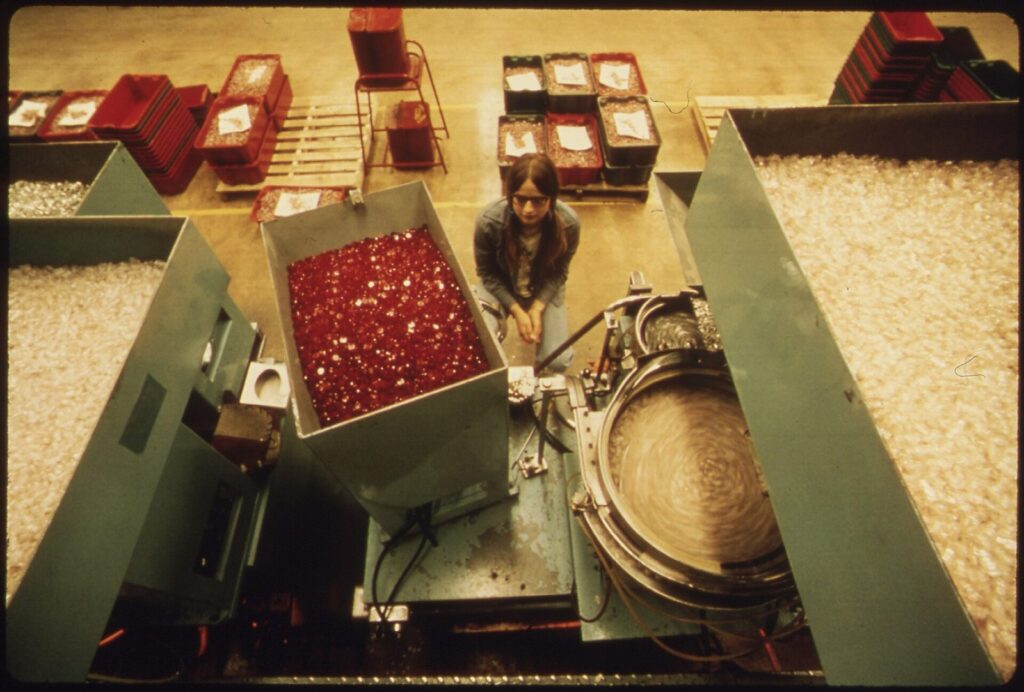
Here is the uncomfortable part. For many young people, the decision not to work in a factory is made long before they ever see one. The word itself carries a picture, and the picture is dirty, noisy, and repetitive. It is a place where you switch your brain off, do the same motion for eight hours, come home tired, and have nothing to show for it but a payslip.
Whether or not that image matches a given plant is almost beside the point, because perception is doing the recruiting long before HR gets involved. A generation that grew up being told to find work with meaning, with growth, with some visible path forward, hears “factory” and files it under the opposite of all three. The gap is not really between what factories pay and what young people want. It is between what factories have quietly become and what young people still believe they are.
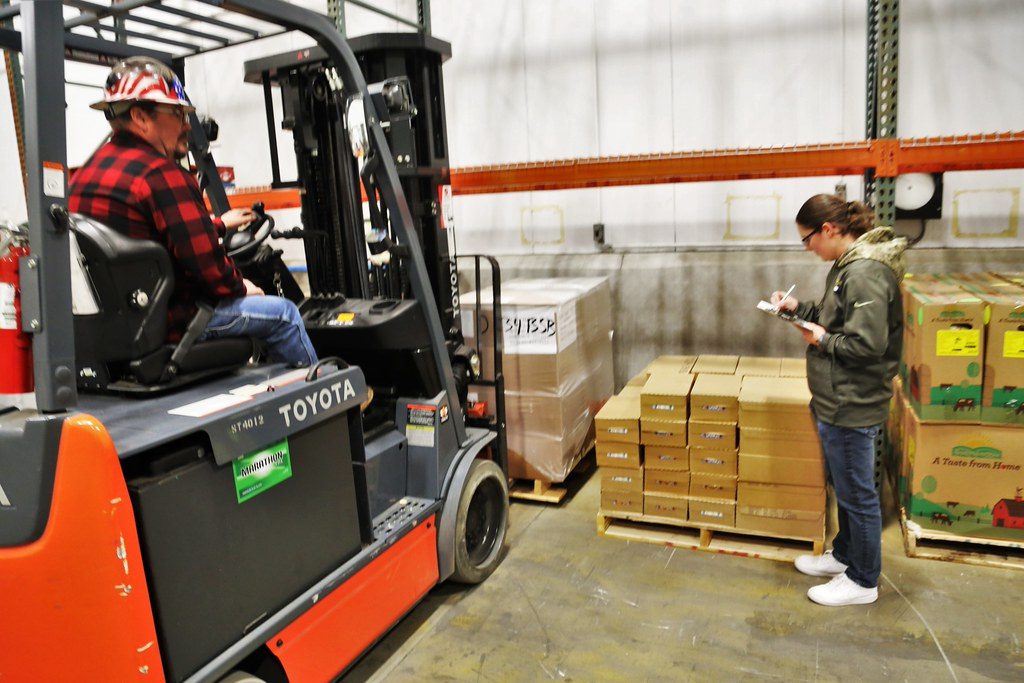
And factories have changed. Many shop floors today are cleaner, quieter, more automated, and more skilled than the cliché allows. The tragedy is that the industry has done a great deal to modernise the work and almost nothing to modernise the story it tells about that work. The reality moved on. The reputation did not.
What actually pulls a young worker in
So if not money alone, then what? Strip away the assumptions and the answer is fairly consistent, and it has very little to do with the perks that get bolted onto job ads.
The first draw is a real path. A young worker wants to know that the job they take at twenty-three is not the job they will still be doing at thirty-three. Is there a way up, a way across, a set of skills that compound into something they can name? A line that leads somewhere will hold a person that a flat job never will.
The second is a craft worth learning. There is genuine pride available in mastering a complex machine, in becoming the person on the team who understands a process better than anyone else. That mastery is one of the most underused recruiting assets on the floor, precisely because it is rarely spoken about as mastery. It gets described as “operating equipment” when it is closer to a trade.
The third is simply an environment that respects the person in it. A modern, orderly space and, above all, tools that actually work. Nothing corrodes a new hire’s motivation faster than being handed a task and then being blocked by equipment that fails, systems that lag, or a process built on the assumption that the worker will absorb the friction. Give a capable young person functioning tools and a clear standard, and you have removed most of the reasons they had one foot out the door.
Notice what is not on this list. Ping pong in the canteen. A foosball table does not survive contact with a job that feels like a dead end, and no one under thirty was ever fooled into staying by one.
Employer branding is a shop-floor job
If the problem is largely a story problem, then the fix lives partly in how the work is shown, not just how it is done. This is where employer branding earns its place, and it does not require a marketing budget so much as a willingness to open the doors.
The most persuasive recruiting material a factory owns is already inside it. The worker who started on the line and now runs a cell. The apprentice who is three certifications deep. Let those people tell their own stories, in their own words, and you replace an abstract cliché with a concrete human being who looks like the person you are trying to hire. Show the actual shop floor on video, the real machines, the real light, the real order of a modern plant, because for a generation that decides everything through a screen, an unseen workplace is an imagined one, and the imagination defaults to the cliché. Make progression visible, so that a candidate can see the ladder before they agree to step onto the first rung.
None of this is expensive. It is mostly a matter of deciding that the story of the work is worth telling with the same care as the work itself.
The question under the question
It is tempting to treat the young-worker shortage as something happening to manufacturing, a demographic weather system that plants simply have to endure. The retention data argues otherwise. When 38% leave in the first year, the environment is telling them something, and they are listening.
So maybe the more useful question is not “how do we attract young people?” but “what would a young person actually see if they spent one honest day inside our plant, and does it match the reason we told them to come?”